

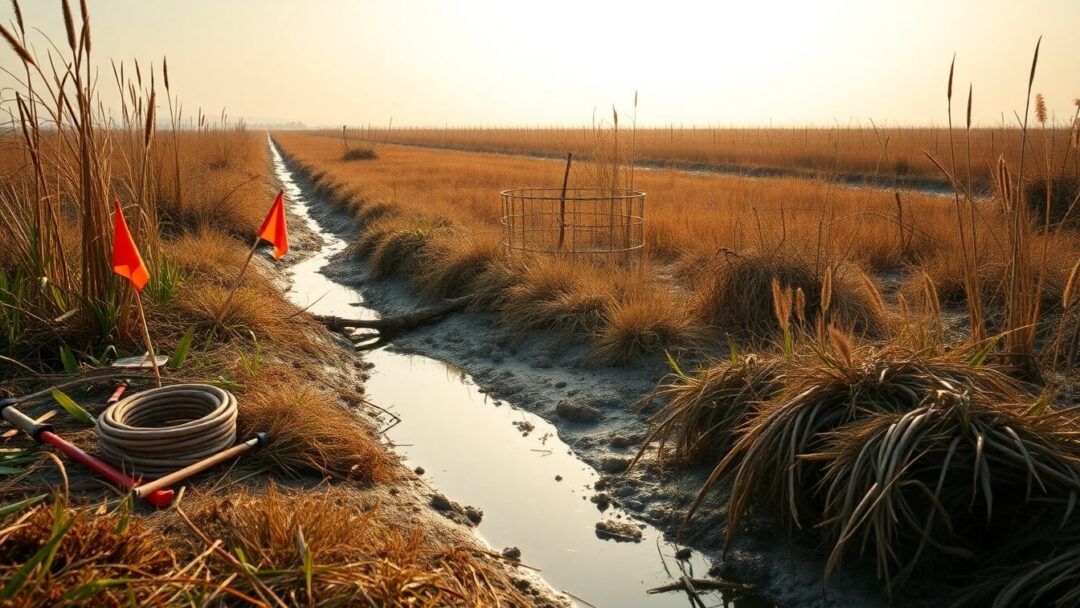
California’s ongoing struggle with invasive species has become more than a conservation issue. It is now a major financial burden, with some of these organisms spreading so quickly that experts describe the pace as terrifying. When a nonnative plant, insect, or animal takes hold, it can overwhelm native ecosystems, damage infrastructure, and force governments to spend large sums on control efforts that often only slow the problem rather than eliminate it.
The core challenge is simple but severe: once an invasive species establishes itself, it can be extremely difficult to remove. California’s wide range of climates, waterways, farmland, and urban areas gives these species many places to survive and expand. As a result, the state is not only fighting a biological threat, but also a long-term economic one. The costs rise through monitoring, cleanup, containment, and the loss of resources that would otherwise support agriculture, public lands, and local communities.
Why the spread is so difficult to stop
Invasive species often succeed because they arrive without the natural predators, diseases, or environmental limits that kept them in check in their original habitats. That advantage lets them reproduce quickly and outcompete native species for food, water, and space. In California, the problem is amplified by the state’s size and diversity. Wetlands, forests, coastlines, deserts, and working lands all create different pathways for spread, making a single solution unrealistic. What begins in one location can soon become a much larger regional issue if it is not detected early.
Officials and environmental managers often stress that speed is what makes these outbreaks especially dangerous. A species that spreads slowly may be manageable with targeted intervention, but a fast-moving invader can overwhelm response teams before they have time to act. That is why early detection and rapid response are considered critical tools. Even so, the state still faces the reality that many infestations are discovered only after they have already expanded beyond the point where eradication is practical.
When control costs keep rising
Once an invasive species is established, the price of fighting it can climb year after year. Agencies may need to fund surveys, removal crews, research, and long-term maintenance. In some cases, property owners, farmers, and water managers also bear part of the expense. The money spent on these efforts can reach into the millions, which means the issue affects not just the environment, but also public budgets and private livelihoods. A small outbreak can quickly become a recurring expense if the species continues to return after treatment.
Economic damage is not limited to direct removal efforts. Invasive species can reduce crop yields, harm fisheries, clog waterways, damage equipment, and weaken habitat that supports wildlife. That creates a ripple effect across several sectors at once. For California, a state with a massive agricultural economy and sensitive natural areas, the consequences can be especially serious. The longer an invasive population remains unchecked, the more expensive it becomes to manage, and the more difficult it is to restore the affected land or water system.
The broader impact on California ecosystems
Beyond the immediate budget concerns, invasive species can permanently alter how ecosystems function. Native plants and animals evolved together over long periods, and when an outsider arrives with a competitive advantage, that balance can shift. Some native species decline because they cannot compete, while others lose nesting sites, food sources, or pollinators. Over time, this can change the character of entire landscapes. In a state known for biodiversity, those losses carry both ecological and cultural weight.
That is why the fight against invasive species is often described as a race against time. Prevention is usually cheaper and more effective than trying to repair damage after the fact. But prevention depends on public awareness, consistent monitoring, and coordinated action across agencies and communities. California’s experience shows that the threat is not abstract or distant. It is active, costly, and capable of moving with remarkable speed. The challenge now is to keep those populations from spreading further before the bill becomes even larger.


