

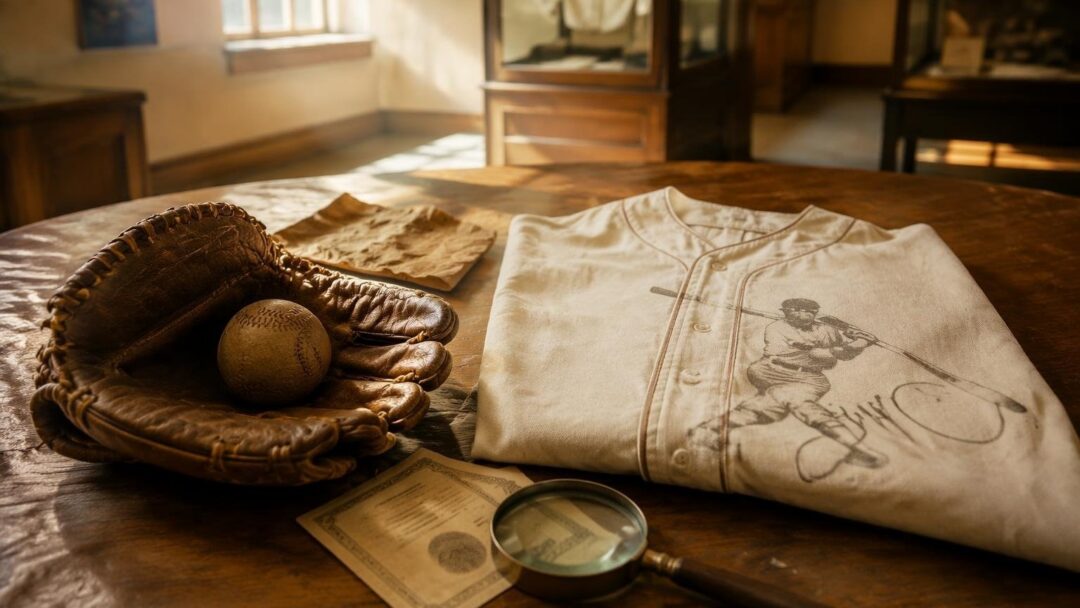
Sports memorabilia has become a highly sought-after collectible, with enthusiasts and investors alike seeking to own a piece of history. Authentication is key to ensuring the value and legitimacy of these items. In this guide, we will explore the principles of authenticating sports memorabilia, including certificates of authenticity (COAs), condition, and provenance.
When it comes to sports memorabilia, provenance is crucial. This refers to the item’s history of ownership and exhibition. A piece with a well-documented provenance is more likely to be genuine and valuable. Condition is also essential, as it can greatly impact the item’s value. Factors such as wear, tear, and restoration can affect the item’s
Understanding Certificates of Authenticity
A certificate of authenticity (COA) is a document that verifies the item’s legitimacy. It typically includes details such as the item’s description, materials, and origin. When examining a COA, look for official logos and serial numbers to ensure it is genuine. Be wary of COAs that appear generic or template-like as these may be indicative of a counterfeit item.
Assessing Condition
Condition is a critical factor in determining the value of sports memorabilia. Grading is a process that evaluates the item’s condition, typically on a scale from 1 to 10. Third-party graders can provide an unbiased assessment of the item’s condition. When storing sports memorabilia, it is essential to use acid-free materials and UV-filtering glass to prevent damage and deterioration.
Thrift Finds and Storage Tips
Thrift stores and estate sales can be a treasure trove for sports memorabilia enthusiasts. When searching for thrift finds, keep an eye out for rare items and unique collectibles. To ensure the longevity of your collection, store items in a cool, dry place and avoid exposure to direct sunlight. Consider using climate-controlled storage for particularly valuable or sensitive items.
Using Third-Party Graders
In some cases, it may be necessary to use third-party graders to authenticate and evaluate the condition of sports memorabilia. These experts can provide a detailed analysis of the item, including its materialsconstruction and provenance. When selecting a third-party grader, look for industry recognition and expertise in sports memorabilia authentication.
By understanding COAs, assessing condition, and using third-party graders, collectors can build a valuable and legitimate collection. Remember to always store items with care and attention, and be cautious of counterfeit items that can damage the reputation of the sports memorabilia market.


