

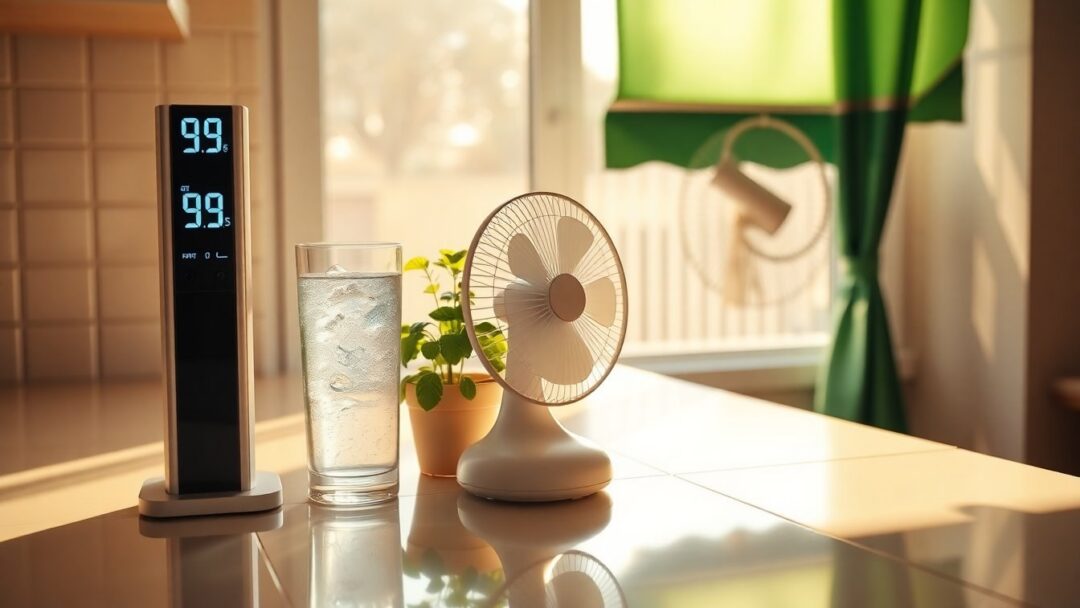
Heat waves are a common occurrence in California, and they can be deadly if proper precautions are not taken. Heat wave safety is a critical concern for homeowners, especially those who are vulnerable to extreme heat, such as the elderly and young children. In this article, we will provide a comprehensive guide on how to stay safe during heat waves in California.
Generally, heat waves in California occur during the summer months, and they can last for several days. Extreme heat can cause a range of health problems, including heat exhaustion and heat stroke. It is essential to take steps to prevent these conditions, such as staying hydrated and staying cool.
Room-by-Room Checklist
To stay safe during heat waves, it is crucial to have a cooling plan in place. This includes having a room-by-room checklist to ensure that every room in the house is cool and safe. Here are some tips to consider:
- Use window shades or curtains to block out direct sunlight
- Install ceiling fans or whole house fans to circulate air
- Use air conditioning or evaporative cooling to cool the air
Insulation and Shade Planning
Insulation is critical to keeping homes cool during heat waves. Proper insulation can help to reduce heat gain and keep the home cool. Additionally, shade planning can help to block out direct sunlight and reduce heat gain. Here are some tips to consider:
- Use shade sails or umbrellas to block out direct sunlight
- Plant trees or shrubs to provide shade
- Use reflective roofing to reflect sunlight and heat
Grid-Aware Habits
During heat waves, it is essential to be grid-aware and take steps to reduce energy consumption. This can help to prevent power outages and reduce the strain on the grid. Here are some tips to consider:
- Use energy-efficient appliances to reduce energy consumption
- Turn off lights and electronics when not in use
- Use power strips to plug in electronics and turn them off with one switch
Hydration Strategies
Staying hydrated is critical during heat waves. Dehydration can occur quickly, especially in extreme heat. Here are some tips to stay hydrated:
- Drink plenty of water throughout the day
- Avoid caffeine and alcohol as they can dehydrate the body
- Eat hydrating foods such as watermelon and cucumbers
Vulnerable Resident Care
Some residents are more vulnerable to extreme heat, such as the elderly and young children. It is essential to take extra precautions to ensure their safety. Here are some tips to consider:
- Check on vulnerable neighbors regularly
- Provide cooling devices such as fans or air conditioners
- Offer hydration assistance such as water or electrolyte-rich drinks


