

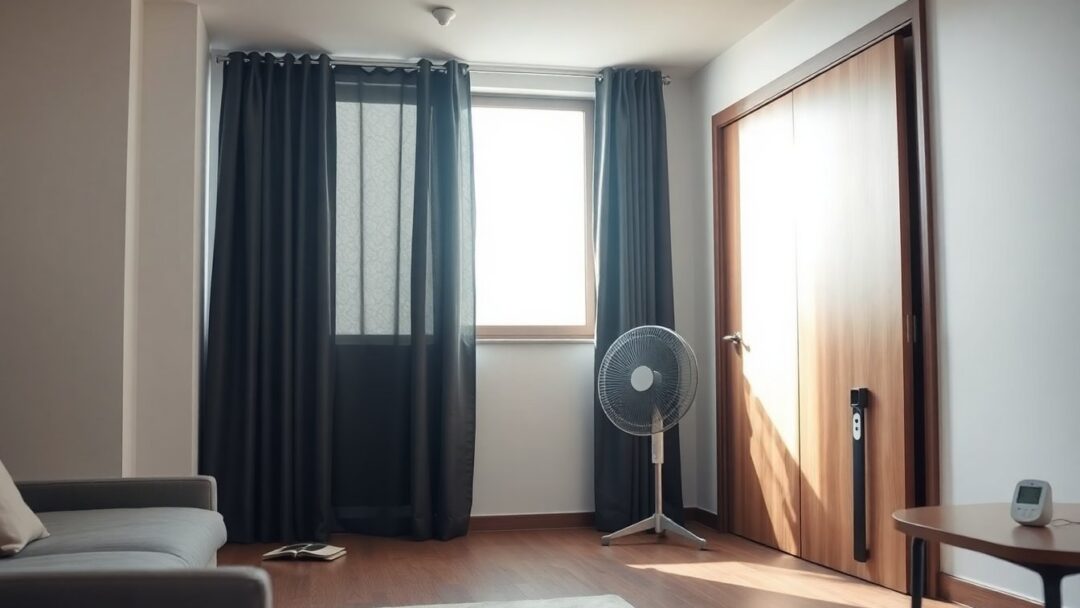
Heatwaves are a serious threat to public health, especially for vulnerable populations such as the elderly and young children. As a homeowner, it is essential to take steps to protect your home and family from the dangers of heatwaves. Insulationshading and ventilation are crucial components of a heatwave-ready home.
Generally, a well-insulated home can reduce the amount of heat that enters the building, keeping the interior cooler. Proper insulation can also help to reduce energy consumption, which is typically a major concern during heatwaves. In most cases, homeowners can improve insulation by adding weatherstripping around doors and windows, and installing insulation materials in attics and walls.
Shading and Ventilation
Shading and ventilation are also critical components of a heatwave-ready home. Awnings and overhangs can provide shade for windows, reducing the amount of direct sunlight that enters the home. Natural ventilation strategies, such as opening windows at night to let in cool air, can also help to reduce the temperature inside the home.
Typically, homeowners can improve ventilation by installing whole-house fans or attic fans which can help to circulate cool air throughout the home. In addition, landscaping can also play a role in reducing the temperature around the home, with plants and trees providing shade and cooling the air through evapotranspiration.
Hydration Plans and Outage-Ready Cooling Strategies
During a heatwave, it is essential to stay hydrated, especially for vulnerable populations. Hydration plans should include drinking plenty of water, avoiding strenuous activities, and staying in cool, well-ventilated areas. In most cases, homeowners can also prepare for power outages by having a backup cooling system such as a portable generator or a battery-powered fan.
Generally, it is also a good idea to have a neighborhood check-in protocol in place, where neighbors can check in on each other, especially vulnerable populations, to ensure their safety during a heatwave. Community support can play a critical role in reducing the risks associated with heatwaves.
Conclusion
By taking these steps, homeowners can protect their homes and families from the dangers of heatwaves, and stay safe and cool during extreme heat events.


